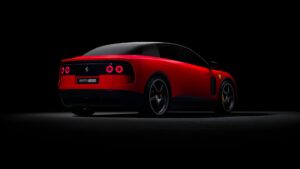
Some Ferraris demand a track. The Roma asks for a tree-lined road on a Sunday morning, a clear stretch of Connecticut highway with the sun low, or a long drive up to a restaurant in Litchfield County. It’s the Ferrari that exists for the kind of driving most owners actually do, rather than the kind they imagine they might do once a year. Ferrari calls the philosophy behind the car La Nuova Dolce Vita, the new sweet life, and the marketing actually matches the product. The Roma is what happens when a sports car brand decides to build a genuine grand tourer without losing what makes the brand distinctive.
For Darien, CT buyers looking at a low-mileage Ferrari Roma, the search is more focused than most Ferrari shopping conversations. Ferrari of Greenwich, just down I-95 from Darien, holds the dealership’s curated pre-owned and certified pre-owned Ferrari inventory in one of the most concentrated specialty automotive corridors in the country. This article walks through what the Roma actually is, the four pillars that define what makes it work, and what to look for in a low-mileage example specifically.
Where the Roma Sits in the Ferrari Lineup
Every Ferrari has an identity, and understanding the Roma’s identity starts with understanding what it is not. The Roma is not a 296 GTB or SF90 Stradale; the mid-engined cars are built around chassis communication and track performance. It is not an 812 Superfast or 12Cilindri, the V12 front-engined heroes that exist for sheer mechanical drama. The Roma occupies a third position: the front-engined V8 grand tourer, designed for daily-usable elegance with serious performance available when called for.
This positioning matters because it changes how the car was engineered. Where a 296 GTB optimizes for low cornering weight transfer, the Roma optimizes for long-distance composure. Where an SF90 makes the driver work to extract performance, the Roma makes performance easy to access and enjoy. The character of the car was deliberately tuned toward usability without sacrificing the qualities that make it distinctly Italian, distinctly Ferrari, and distinctly different from its German rivals.
The current Roma generation continues into 2025, with the Roma Spider convertible variant adding the open-top option. Configurations and specifications for both variants are available through the dealership’s Roma model page, with build-out options reviewed via the Roma configuration page for buyers comparing pre-owned to potential new builds.
The Performance
Despite its GT positioning, the Roma sits firmly within Ferrari’s performance hierarchy. The numbers are not soft, and the chassis was tuned by engineers who refuse to compromise dynamic capability for the sake of comfort.
The Engine
The Roma uses Ferrari’s F154 BD variant of the 3.9-liter twin-turbocharged V8, an engine family that won International Engine of the Year multiple times before reaching this configuration. In the Roma, output sits at 612 hp at 5,750 to 7,500 rpm with 561 lb-ft of torque available from 3,000 to 5,750 rpm. The peak torque band is deliberately wide because Ferrari engineered the engine for response in real-world driving rather than dyno-chart peak numbers.
The character of the engine is part of what makes the Roma feel distinctly Ferrari rather than a generic high-performance V8. Throttle response is immediate. The engine builds power linearly rather than arriving in a turbocharged rush. The exhaust note has been tuned to remain refined at cruising speeds and turn noticeably more vocal under aggressive throttle, a distinction the Roma manages better than most modern turbocharged sports cars.
The Transmission
The Roma debuted Ferrari’s new eight-speed dual-clutch transmission, which has since migrated to the SF90 Stradale and 296 GTB. The unit is meaningfully different from the seven-speed DCT used in earlier Ferraris. Shifts are sharper at full throttle yet smoother in normal driving. The wider ratio spread improves both fuel economy in casual driving and acceleration response in aggressive driving. The dual-clutch architecture means there’s no torque interruption between gears.
The Chassis
Magnetorheological dampers (SCM-E) work in conjunction with Side Slip Angle Control 6.0 and a complete suite of Ferrari’s chassis electronics to deliver behavior that adapts to driver intent. In Comfort mode, the Roma rides well enough that it works as a true daily-driven car on Connecticut’s frost-heaved spring roads. In Sport and Race modes, the chassis sharpens noticeably, with reduced body roll, faster steering response, and a more permissive stability control calibration that allows the driver to actually use the car’s capabilities.
The Numbers in Real Terms
0 to 60 mph takes approximately 3.4 seconds. Top speed is rated at 199 mph. These figures place the Roma firmly in supercar territory by any objective measure, but the more relevant numbers are the everyday ones: how the car accelerates from 40 to 80 mph for a passing maneuver, how it brakes from highway speeds, how confident it feels at sustained speed on a long drive. The Roma scores high on each of these, in a way that pure track-focused cars often don’t.
The Design
The Roma’s design language is one of the most discussed aspects of the car among Ferrari enthusiasts. It deliberately departs from the visual aggression that has characterized most modern Ferraris. Instead, it draws on the company’s grand tourer heritage from the 1960s, particularly cars like the 250 GT Lusso, while remaining unmistakably contemporary.
Exterior Proportions
The Roma’s silhouette is what designers call a fastback profile, with a long hood, a low cabin, and a tail that flows continuously to a discreet pop-up active rear spoiler. The proportions reference classic GT design language: front engine, rear drive, two-plus-two seating, balanced visual weight distribution. From any angle, the car reads as elegant first, performance machine second, which is exactly what Ferrari intended.
The Front End
The grille design is one of the most distinctive choices on the car. Rather than the gaping intake of an F8 or 296, the Roma uses what Ferrari calls a body-color grille panel with subtly integrated air intakes. This is a deliberate move toward elegance over aggression. Some Ferrari enthusiasts objected initially. Most have come around once they’ve seen the car in person.
Details Worth Noticing
Several design elements reward close inspection. The way the front fenders integrate into the doors. The minimal use of badging. The shape of the headlights. The proportions of the wheels relative to the body. The active rear spoiler that emerges from the trunk lid only when needed and otherwise stays hidden. None of these is accidental, and all of them contribute to a car that ages better than the more aggressive Ferraris because it doesn’t depend on visual shock to make its impression.
The Luxury
The luxury element of the Roma operates on two levels: the materials and craftsmanship of the cabin, and the daily-use practicality that distinguishes the car from more focused Ferraris.
The Dual-Cockpit Interior
Ferrari describes the Roma’s interior architecture as a dual-cockpit design, with the driver and front passenger each enclosed in their own visually distinct environment. The center console rises between them, the dashboard arches over each occupant separately, and the passenger gets their own dedicated display showing speed, RPM, and other selected data points. The design accomplishes two things: it gives the driver a focused, performance-oriented environment, and it gives the passenger a comfortable, well-equipped space rather than relegating them to a side-seat afterthought.
Materials and Craftsmanship
The materials inside a Roma are not generic luxury. Leather, Alcantara, carbon fiber trim, and aluminum elements are combined in configurations that reflect Ferrari’s Tailor Made program origins. Stitching patterns, leather grain selections, and trim color combinations vary substantially across cars, which is part of why each Roma feels individual. For pre-owned shoppers, the specification of the specific car you’re considering matters significantly, both for daily ownership satisfaction and for long-term residual value.
Daily Livability
The 2+2 cabin configuration is one of the Roma’s most underrated practical advantages. The rear seats are small, but they exist, and they’re usable for short trips, children, or additional luggage in a folded-down configuration. Cargo space behind the rear seats is meaningful by sports car standards, easily handling a weekend trip’s worth of bags. Ground clearance is reasonable for the segment, and the Front Lift system (where equipped) raises the nose enough to clear driveway transitions and parking entrance ramps. These details matter for a car that’s meant to be driven rather than displayed.
The Technology
The Roma introduced Ferrari’s most significant interior technology overhaul in years, replacing the older infotainment platform with an all-new HMI designed specifically for this car and subsequently rolled out across the lineup.
The Display Architecture
The Roma uses three primary displays:
- A 16-inch curved digital instrument cluster directly in front of the driver, displaying speed, RPM, navigation, drive mode information, and configurable additional data
- An 8.4-inch portrait-orientation central touchscreen for primary infotainment, navigation, climate control, and vehicle settings
- An 8.8-inch passenger display showing selected information, including speed, RPM, and a passenger-controllable interface
The Capacitive Controls
Most of the Roma controls are capacitive touch rather than physical buttons. This is a deliberate design choice that some reviewers initially questioned. In practice, the system works well once the muscle memory of regular use sets in. The steering wheel concentrates most driver-facing controls within thumb reach, including the headlight controls, voice activation, and driver-assistance system controls.
Driver Assistance Systems
The Roma includes a complete suite of advanced driver-assistance systems, including adaptive cruise control, lane keeping assistance, automatic emergency braking, and traffic sign recognition. These are notable inclusions on a Ferrari, where the brand historically held back on driver-assistance technology. On the Roma, the inclusion reflects the GT positioning: this is a car meant for long highway drives where ADAS features provide genuine value.
Why Low Mileage Specifically Matters on a Roma
Ferraris are typically not driven the way mainstream cars are driven. Many owners use them sparingly, log low miles, and treat them as fair-weather vehicles. A low-mileage Roma carries several specific advantages worth understanding:
- Originality of major service intervals. Ferrari specifies a four-year or 50,000-mile coverage period for major maintenance items, with subscription service plans available extending coverage further. A low-mileage car is typically still within the original service window.
- Tire and brake originality. The Roma’s tires and brakes are not inexpensive to replace. Low-mileage examples typically retain original-spec consumables that have plenty of life left, representing real value over the next two to three years of ownership.
- Original interior condition. Leather wear, suede wear, and trim aging all correlate with mileage. A low-mileage Roma presents better in nearly every cosmetic dimension.
- Software and electronics health. The Roma’s electronics and infotainment systems are software-dependent. Lower-mileage cars typically have fewer cycles of system stress and present software-current configurations more reliably.
- Resale trajectory protection. Low-mileage Ferraris hold their value better than high-mileage examples, even when both are otherwise equivalent. The premium paid up front for a low-mileage car is typically recovered at resale time.
Current low-mileage Roma inventory is searchable through the dealership’s pre-owned listings and the Ferrari Approved certified pre-owned program, which includes additional manufacturer-backed inspection and warranty coverage on qualifying vehicles.
Pre-Purchase Considerations on a Pre-Owned Roma
Even on a low-mileage example, several items deserve specific attention before purchase:
- Documented service history through Ferrari-authorized facilities. Cars maintained by official Ferrari service centers retain value better and have verifiable maintenance records.
- Software update history. The Roma’s HMI and electronic systems receive periodic updates that should be current on the specific car.
- Original window sticker review. Specifications on individual Romas vary substantially based on the original buyer’s option selections. The original sticker confirms exactly what’s installed.
- Front lift system inspection (where equipped). The hydraulic nose-lift system is a maintenance item worth verifying operates correctly.
- Carbon ceramic brake disc thickness. Disc replacement is expensive, and low-mileage cars should have substantial life remaining.
- Tire date codes. High-performance tires age out regardless of tread depth. Confirm tires aren’t older than five to six years.
- Paint protection film coverage. Most Romas leave the dealership with comprehensive PPF. The condition of both the film and the paint underneath matters.
For buyers considering trading their current vehicle or exploring lease versus purchase paths, the dealership’s sales team handles these conversations directly and works with multiple financing partners experienced with specialty vehicle valuations.
Darien to Greenwich: The Short Drive
Ferrari of Greenwich is located at 342 West Putnam Avenue in Greenwich, approximately 8 miles west of Darien via I-95. Typical drive time runs 15 to 20 minutes, depending on traffic. The dealership shares the same West Putnam Avenue corridor as the broader Miller Motorcars family, which means a visit can include experiencing the sister brand showrooms (Bentley, McLaren, Aston Martin, Rolls-Royce, Maserati, Alfa Romeo) if you’re cross-shopping the segment. The team’s service contact information is also available online for buyers thinking ahead to long-term ownership service support.
A few practical notes for Darien-area shoppers:
- Test drives on individual cars require advance scheduling, given allocation realities at this tier
- The dealership facility includes the showroom and adjacent service operations, so a visit can cover both sales and service introductions
- Pre-purchase inspection on a specific car can typically be coordinated as part of the visit
- For Ferrari Approved certified pre-owned vehicles, the inspection has already been completed and documented before listing
The dealership is also home to the Passione Ferrari Club Challenge program and hosts regular Ferrari owner events, which provide useful context on the broader community that Roma ownership integrates you into.
Frequently Asked Questions
Q: What makes the Ferrari Roma different from other Ferraris?
A: The Roma is Ferrari’s front-engined V8 grand tourer, designed around La Nuova Dolce Vita philosophy of elegant, daily-usable performance rather than the mid-engined supercar character of the 296 GTB or SF90 Stradale. It’s the Ferrari for long-distance driving and refined daily use without sacrificing genuine sports car capability.
Q: How does the Ferrari Roma compare to the Aston Martin DB12 or Bentley Continental GT?
A: All three are front-engined V8 grand tourers in similar price territory. The Roma typically delivers the most aggressive performance character of the three, with sharper steering and a more performance-tuned chassis. The DB12 has more dramatic styling and a more old-school GT character. The Continental GT prioritizes outright luxury and refinement above performance. The right choice depends on which character resonates.
Q: Is the Ferrari Roma practical for daily driving?
A: More than most Ferraris. The 2+2 layout provides usable storage and occasional rear seating. The adaptive suspension in Comfort mode handles imperfect roads reasonably well. The front lift system clears typical driveway transitions. Greenwich and Fairfield County roads in general work well for Roma ownership, though winter weather typically calls for an alternate vehicle.
Q: What does it cost to maintain a Ferrari Roma?
A: Maintenance costs depend on use and specific service intervals. Annual maintenance typically runs in the $1,500 to $4,000 range, with larger interval services running higher. Tires are a significant expense, with replacement sets running $3,000 to $5,000 depending on choice. Insurance varies widely but typically runs higher than mainstream luxury vehicles.
Q: Should I buy new or pre-owned?
A: Pre-owned typically delivers stronger value as the heaviest first-owner depreciation has been absorbed. A low-mileage pre-owned Roma can deliver near-new condition at significantly lower cost than original MSRP. New cars offer full warranty terms, allocation control, and the choice to specify the exact configuration. Both paths have merit depending on the buyer’s priorities.
Q: What’s the resale outlook on a Ferrari Roma?
A: Strong relative to most luxury cars. Ferrari intentionally limits production volume, which supports residual values. Special configurations, Tailor Made cars, and well-specified examples tend to hold value particularly well. Roma Spider variants have generally outperformed coupe variants on resale.
Q: How far is Ferrari of Greenwich from Darien, CT?
A: Approximately 8 miles, with typical drive times of 15 to 20 minutes via I-95. The dealership is at 342 West Putnam Avenue, Greenwich, CT 06830.
La Nuova Dolce Vita Is Worth Experiencing
Some cars need an explanation to be appreciated. The Roma is not one of them. The car’s character reveals itself within minutes of a test drive, and that revelation is usually the moment a buyer either decides definitively that this is their next car or decides definitively that they want something else. Either outcome is useful. The Roma’s specific identity within the Ferrari lineup means it isn’t trying to be everything to everyone, and it benefits from the focus.
Ready to see the current low-mileage Roma inventory or schedule a test drive? Browse the pre-owned listings, review the complete current inventory, or reach the team directly through the contact page. The dealership is at 342 West Putnam Avenue, Greenwich, CT 06830.